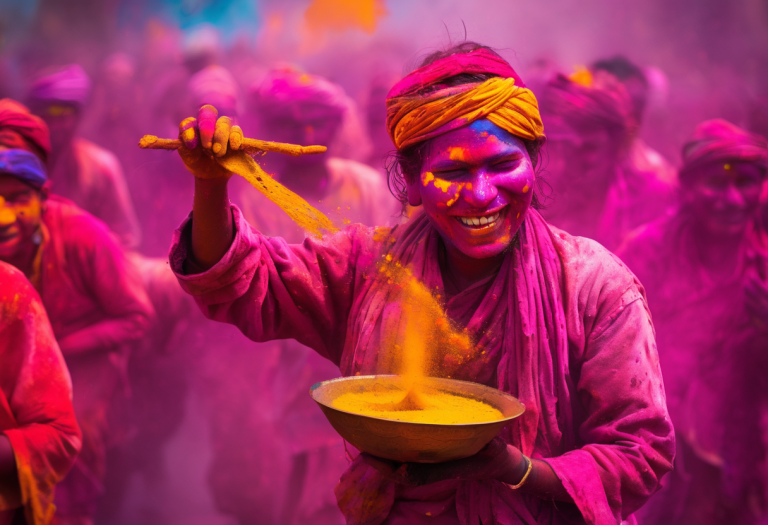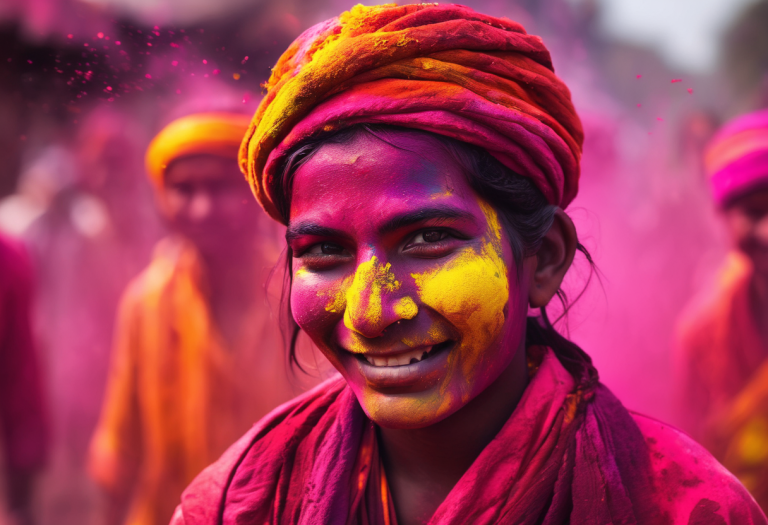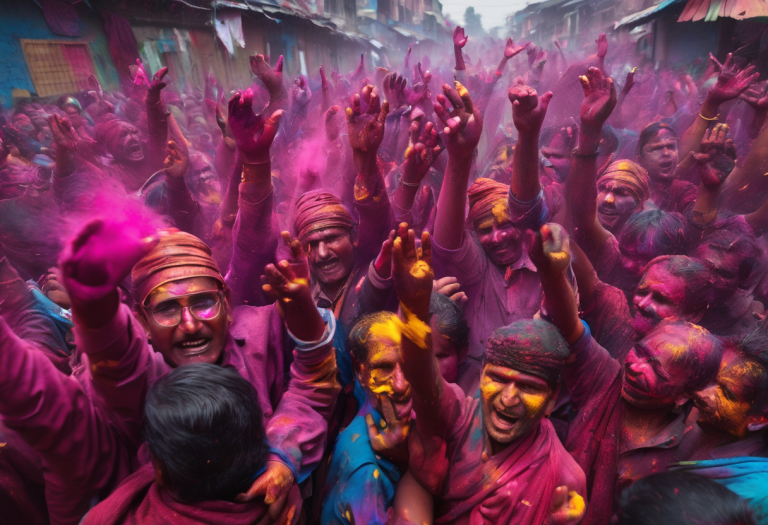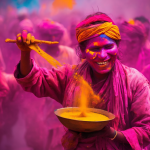
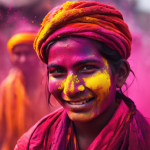
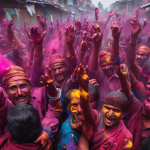
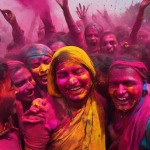
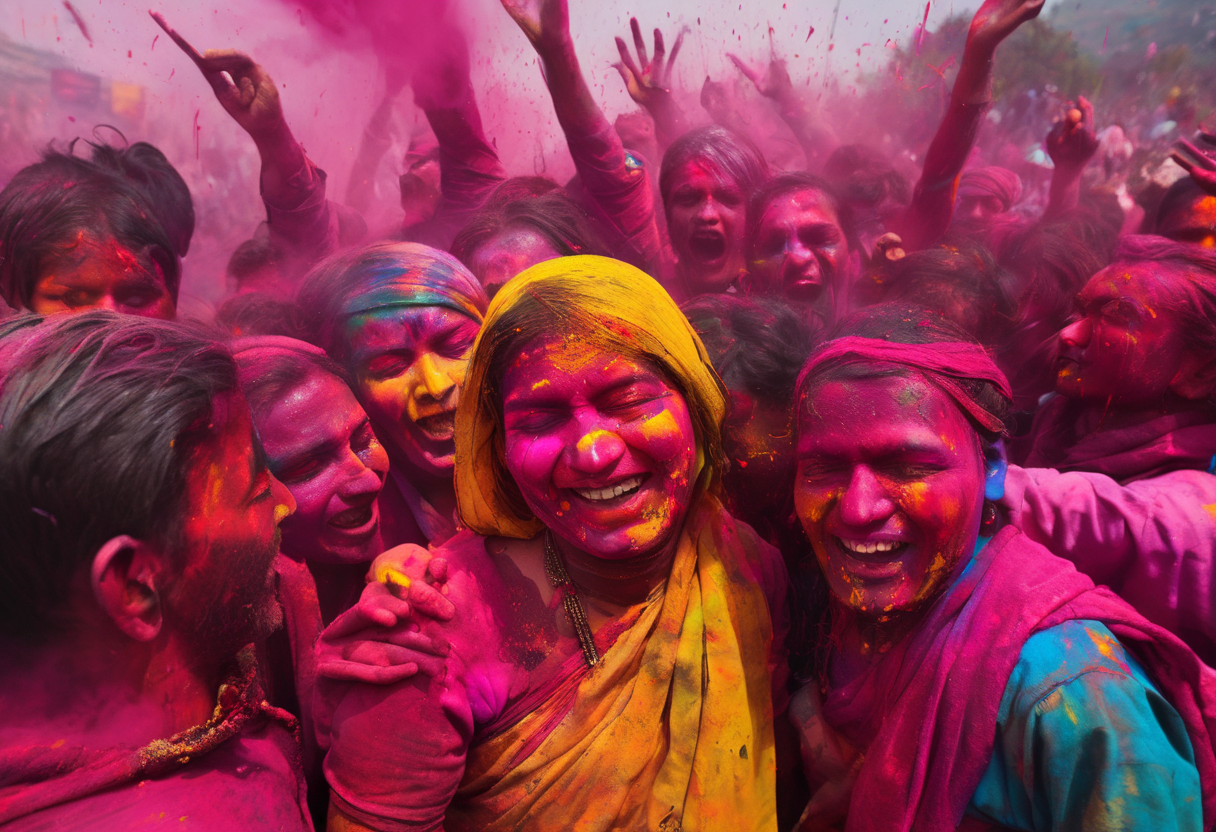
As the vibrant colors of Holi light up the streets of Nepal, the festival becomes more than just a celebration of spring and fertility. It becomes a convergence of politics and culture, as well as a symbol of national unity. Holi, also known as the “festival of colors”, is observed by both Hindus and Buddhists in Nepal, making it a crucial time to showcase the harmony and coexistence between the two religions in the country.
During this time, politicians put aside their differences and come together to celebrate Holi, demonstrating their commitment towards building a unified nation. The festival serves as a platform for leaders to connect with the people and show their support for cultural diversity. It is also a time for the government to promote tourism and small businesses, as the festival draws in thousands of tourists every year.
However, the intersection of politics and culture during Holi does not stop at the surface level. In fact, the festival holds much deeper meaning and symbolism in the political landscape of Nepal. The colors used during Holi are not just for decoration, but represent the diversity of the Nepali society. The festival preaches the message of harmony, love, and inclusivity – values that are crucial for any society to progress.
Despite facing political turmoil and ethnic conflicts in the past, Holi in Nepal stands as a testament to the nation’s resilience and cultural richness. It serves as a reminder that amidst all the chaos, unity and acceptance can still prevail. As the colors swirl and merge during Holi, so do the diverse cultures and traditions in Nepal, creating a beautiful harmony that is truly worth celebrating.