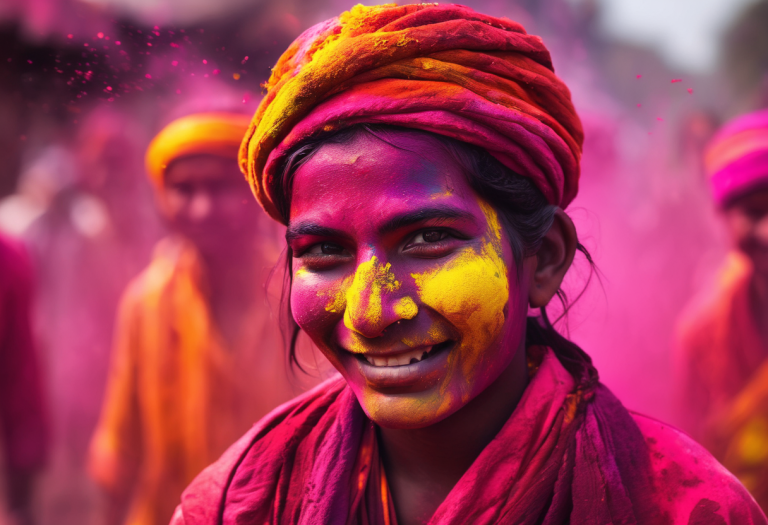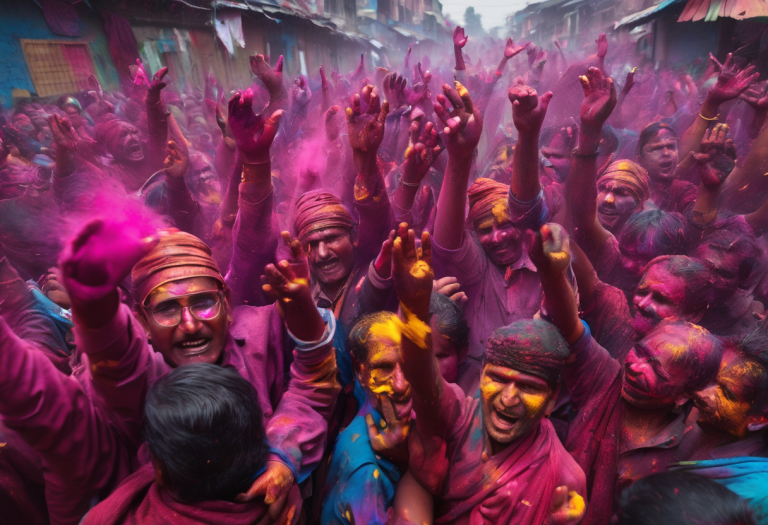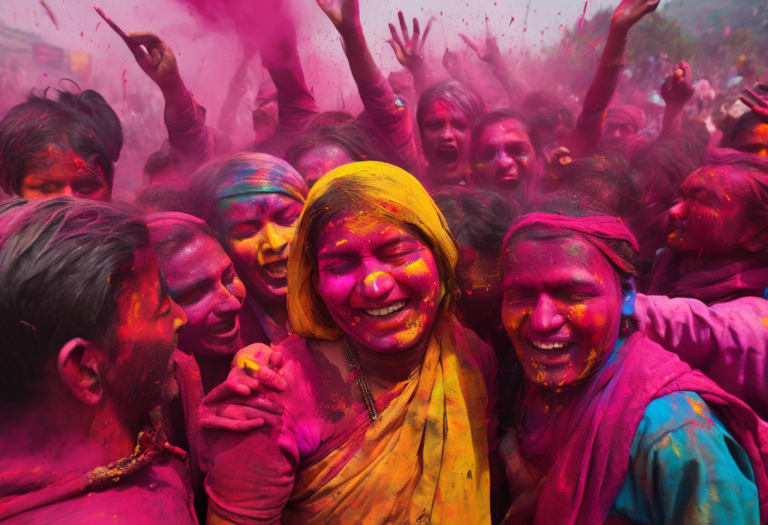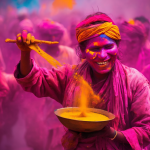
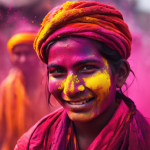
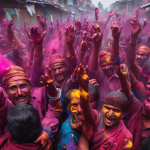
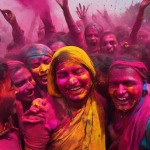
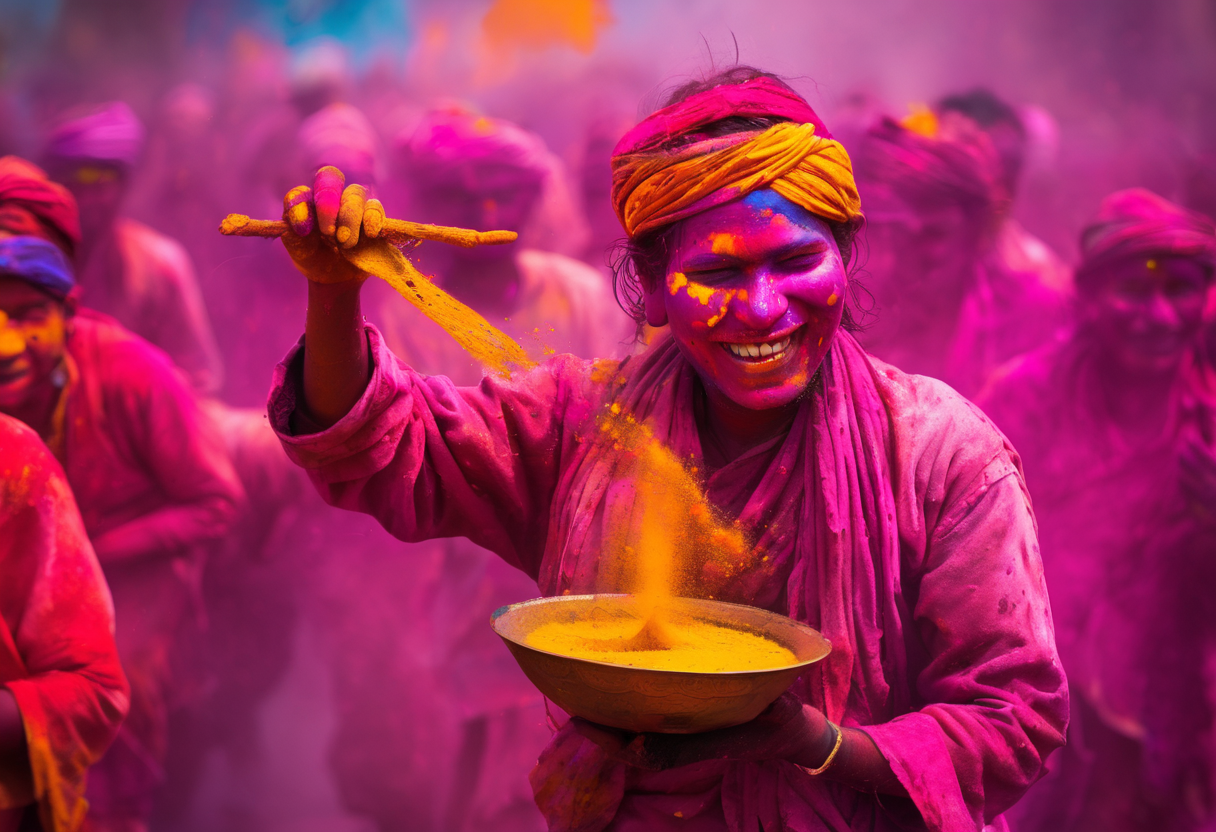
Holi, also known as the festival of colors, is a prominent Hindu festival celebrated in various parts of the world, including Nepal. This joyful event is typically held in the month of March and marks the beginning of spring. As the name suggests, it is a time of vibrant colors and joyous celebrations. But beyond the colorful festivities, Holi holds a rich and significant history in Nepalese culture.
The origins of Holi can be traced back to ancient Hindu mythology. It is believed to have originated as a celebration of the victory of good over evil, as depicted in the legend of Prahlad and Holika. In Nepal, Holi is celebrated for 15 days, with each day holding different traditions and rituals. The main day, known as “Phagu Poornima,” is when the streets come alive with people of all ages throwing colored powders and water at each other, symbolizing unity and love.
The festival of Holi also holds great religious and cultural significance in Nepal. It is a time for people to forget their differences and come together in a spirit of harmony and equality. It is a celebration of life, happiness, and the triumph of good over evil. Holi is not just limited to Hindus in Nepal; people of all religions and ethnicities participate in the festivities, making it a symbol of unity and diversity.
Holi in Nepal is not just a festival; it is a way of life. It is deeply rooted in the country’s history and traditions, making it an integral part of the Nepalese identity. As more and more people around the world join in the celebration of Holi, the vibrant colors and joyous spirit of this festival continue to spread love and unity, making it a truly special and meaningful event in the hearts of people everywhere.